A7 Impact and Dissemination
A7 IMPACT AND DISSEMINATION
1. Community Engagement and External Partnerships
- Visit to the Faculty of Engineering in Hunedoara, October 2025
Students and teachers visited the Faculty of Engineering in Hunedoara, part of Politehnica University of Timișoara, where the Environmental Engineering specialization and the Waste Valorization Engineering study program are offered. The visit helped students connect school activities to higher-education pathways and professional approaches to waste recovery.
Faculty representatives presented examples of how industrial and municipal waste can be transformed into useful resources. The activity strengthened the connection between project learning, local expertise, and real-life applications of circular economy principles.

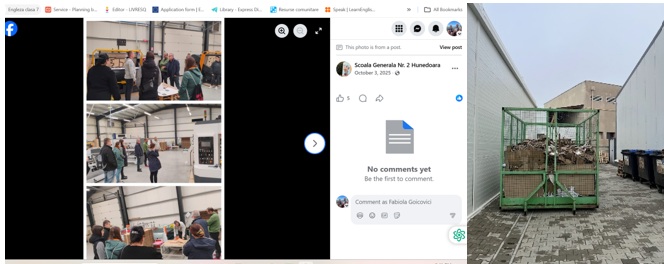
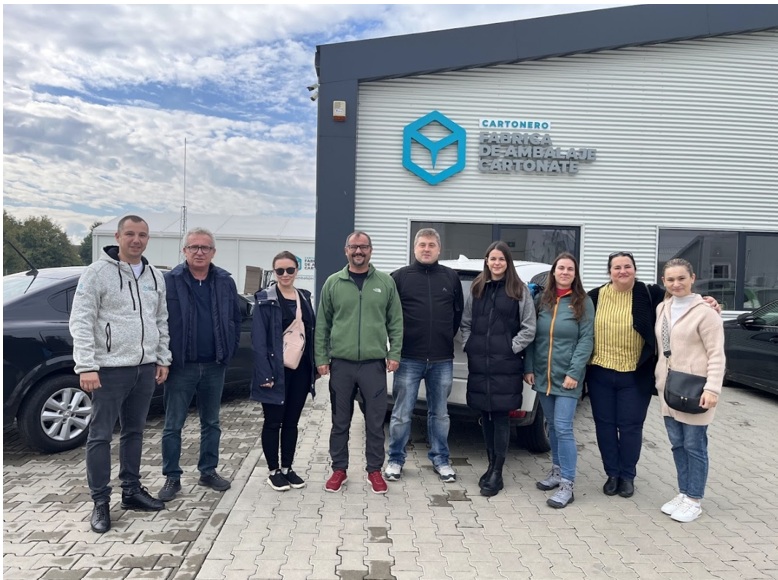
- The Cardboard Factory in Alba Iulia-10 people
The partners visited the factory, where we were shown how to use and reuse materials for sustainable products.
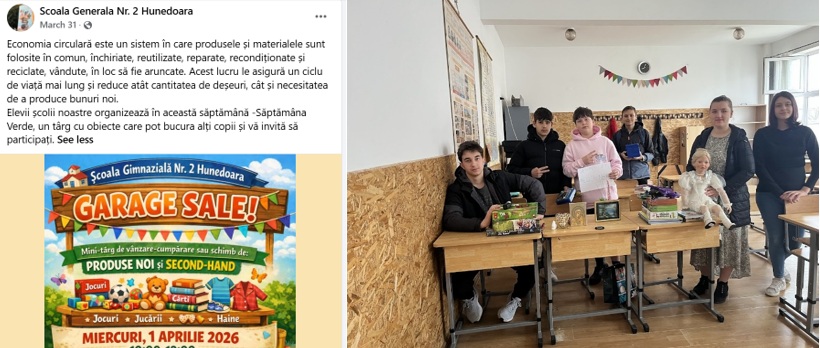
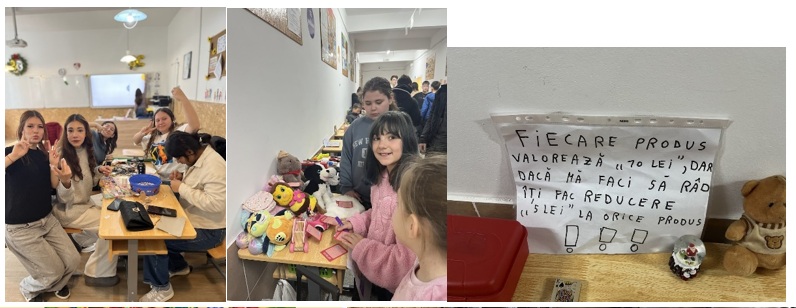
- Garage sale- 150 students, parents, and teachers
The school organized the first edition of a garage sale where students traded or sold books, stationery, toys, and clothes. The event promoted the reuse of items, extended product lifespans, and helped students understand the value of second-hand goods as part of responsible consumption.
2. Dissemination and Sharing of Results
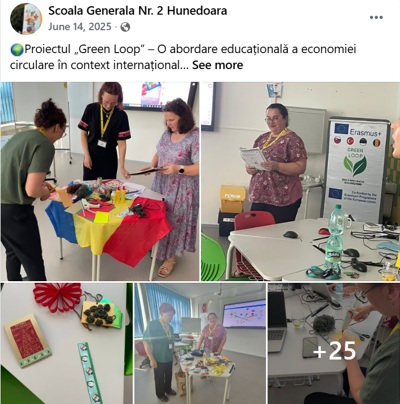
- the Slovakian mobility
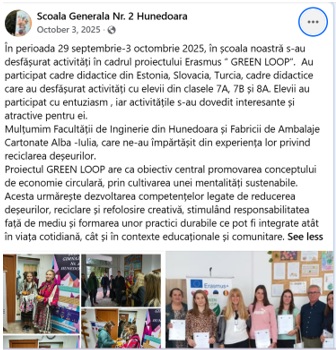
- The Romanian mobility
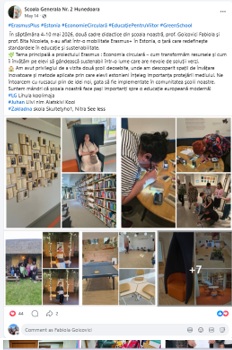
- the Estonian mobility
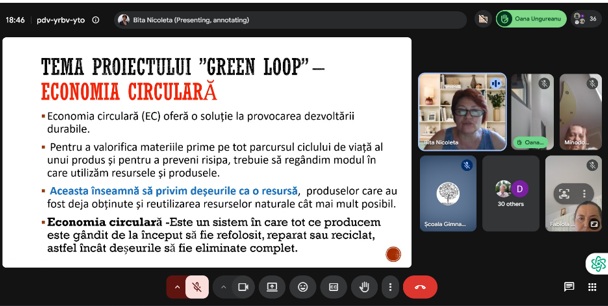
- 4 Staff MEETINGS- 36 x4= 144
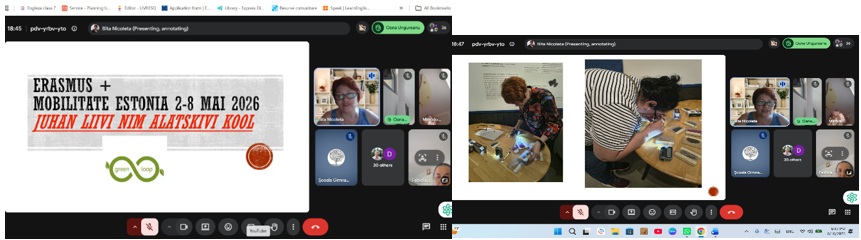
After each mobility, the Romanian team informed teachers and students about the new practices, tools, and ideas observed during the visits. In June 2026, dissemination activities involved 36 teachers and supported the transfer of project results into school practice.
-
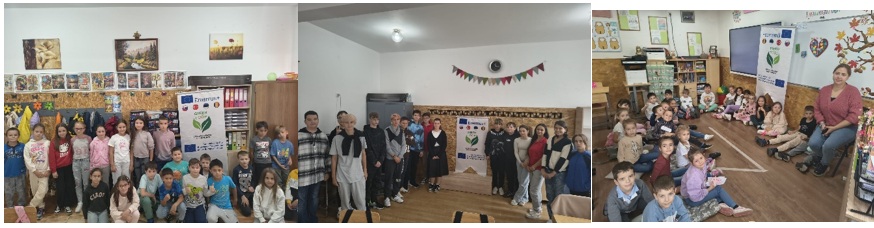
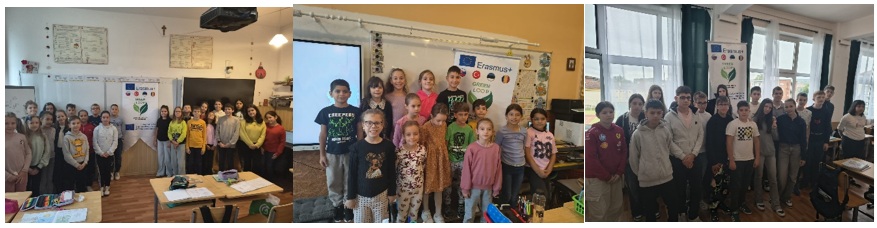
Classes were exposed to the information and practices of circular economy, in one way or another. November 2025
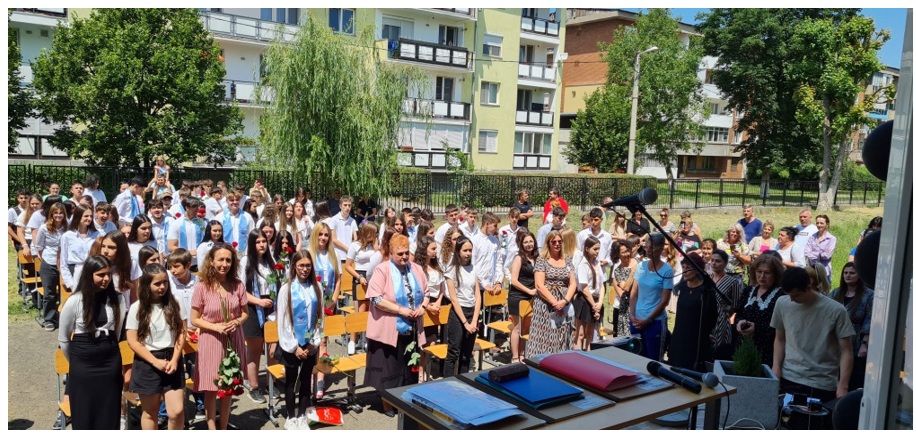
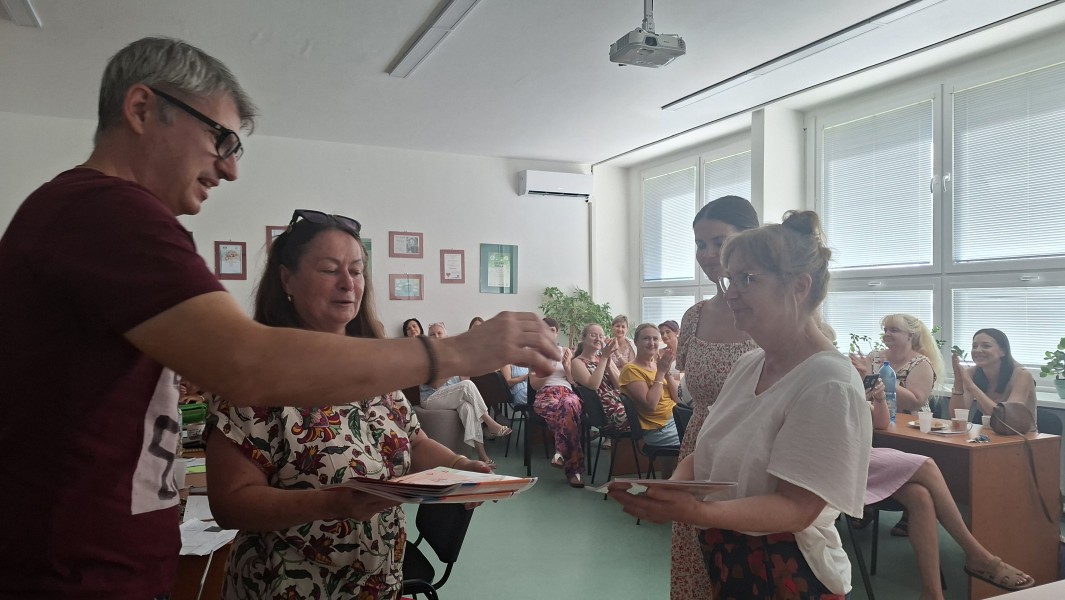
- At the beginning of the school year, and at the end, the Erasmus project and the accreditation, were mentioned in the school festivities, as well as in the parents’ and staff” meetings , where they were disseminated. The last festivities this year, where Erasmus diplomas were awarded, for the accreditation, were over 120 people( 7th and 8th graders, including families and staff), and then, the whole school festivity, except 8th graders, around 200 people.
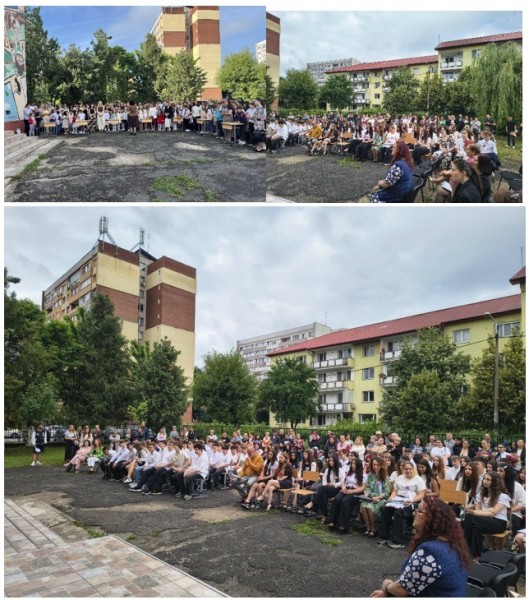
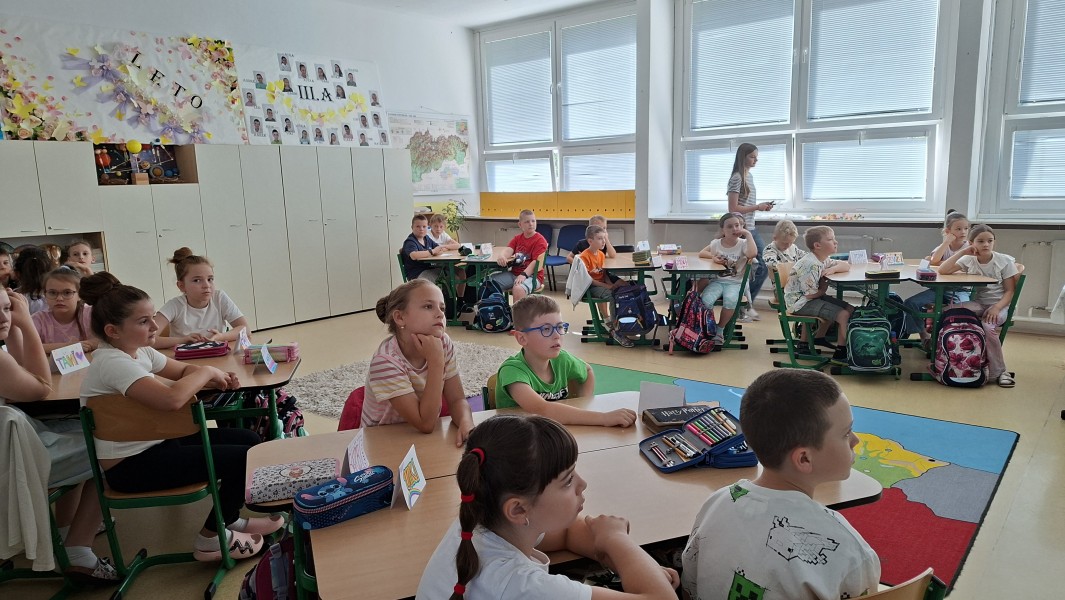
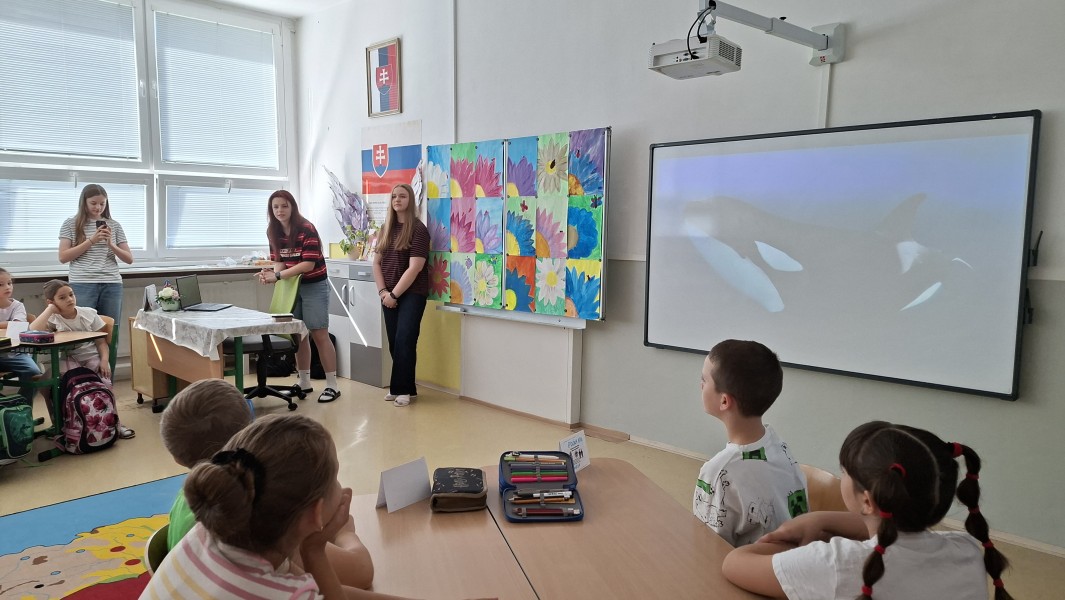
3. Peer Teaching and Learning at our school, 15. 6. 2026
Peer teaching and learning is an educational approach in which learners actively teach, support, and learn from one another, rather than receiving all knowledge directly from the teacher. Students can alternate between the roles of learner and teacher, while the educator guides and facilitates the process.
This time, the topic was based on materials from the Green Loop project. The older students had access to lesson plans that explored the topic of the circular economy in detail and included practical guidelines, which they used during the activities. All the classes of our school were involved in this activity.
Benefits of Peer Teaching and Learning:
- deepen understanding and knowledge retention,
- encourage critical thinking,
- develop communication and teamwork skills,
- increase active involvement in learning,
- give learners opportunities to practise explaining and defending their ideas,
- help learners develop greater responsibility and independence.
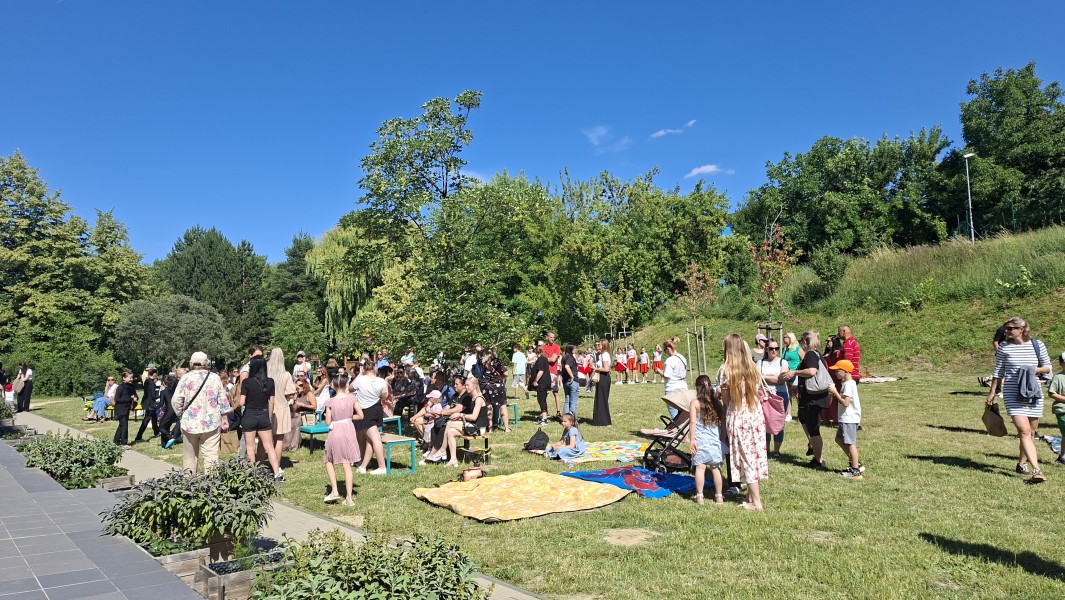
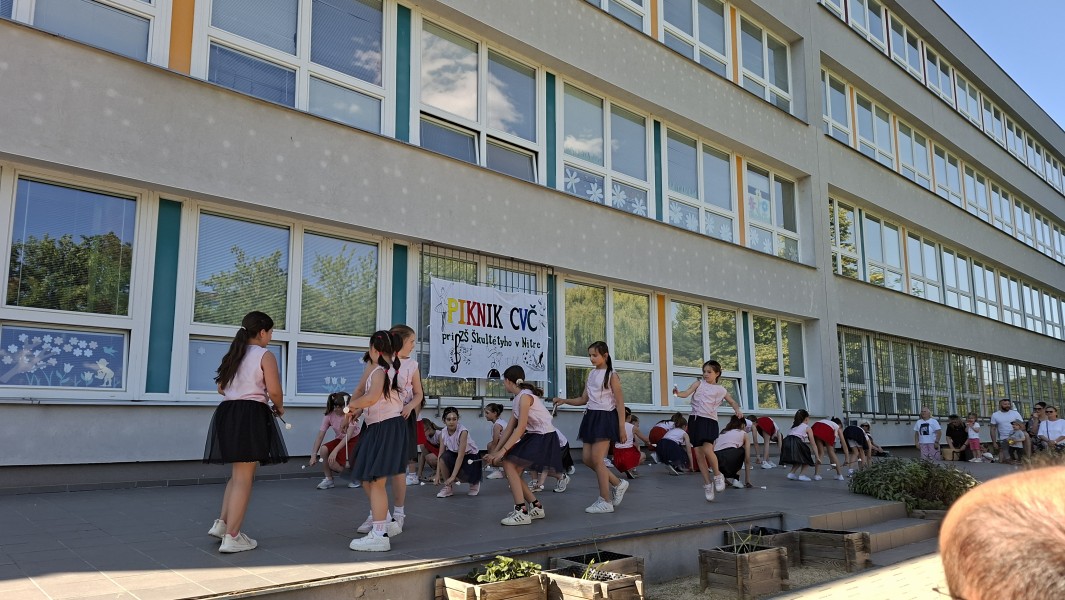
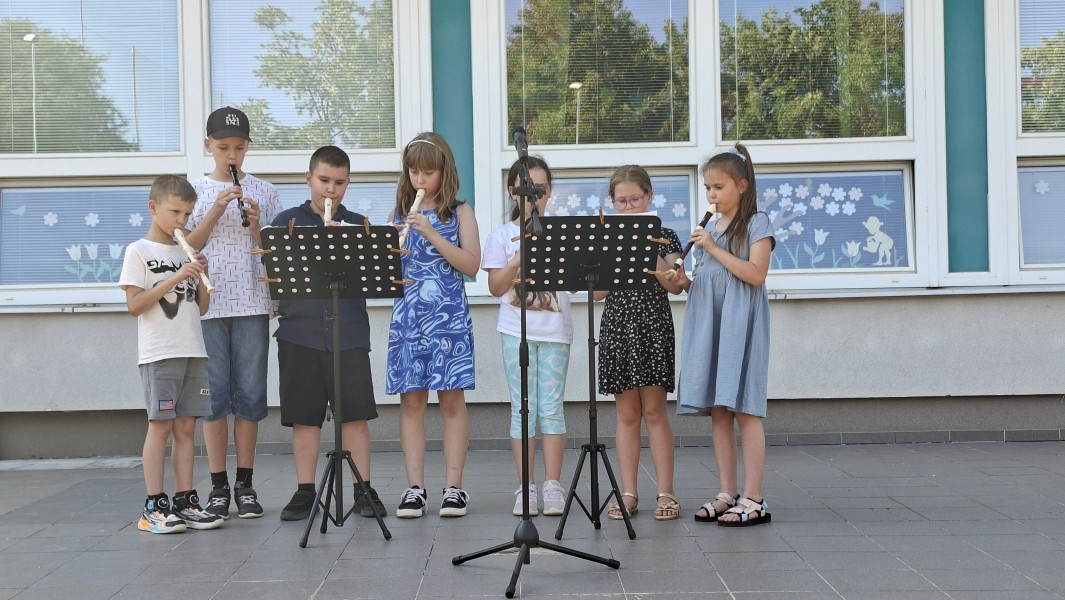
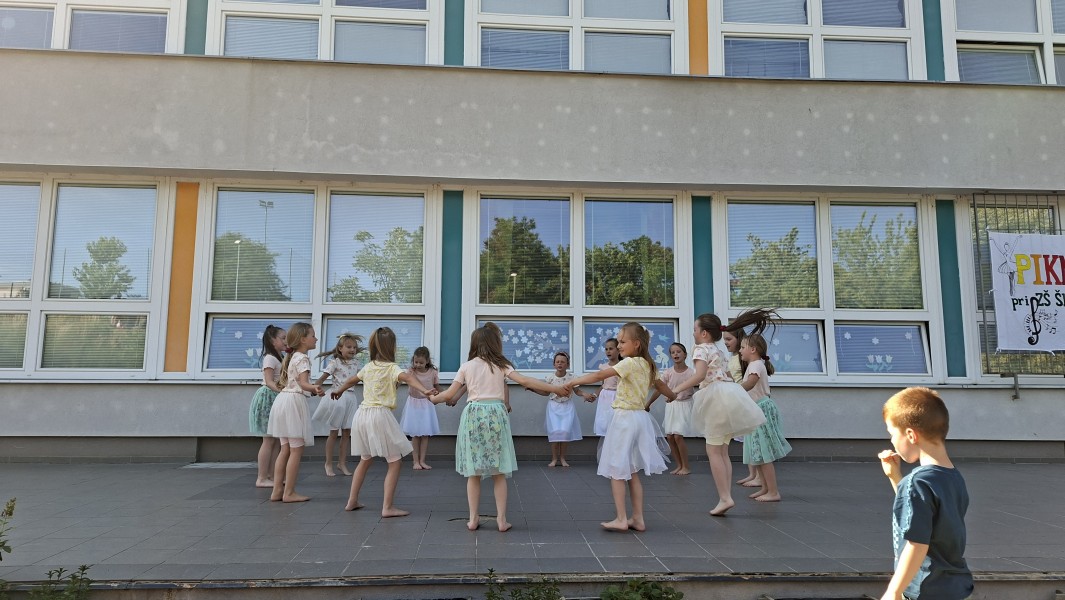
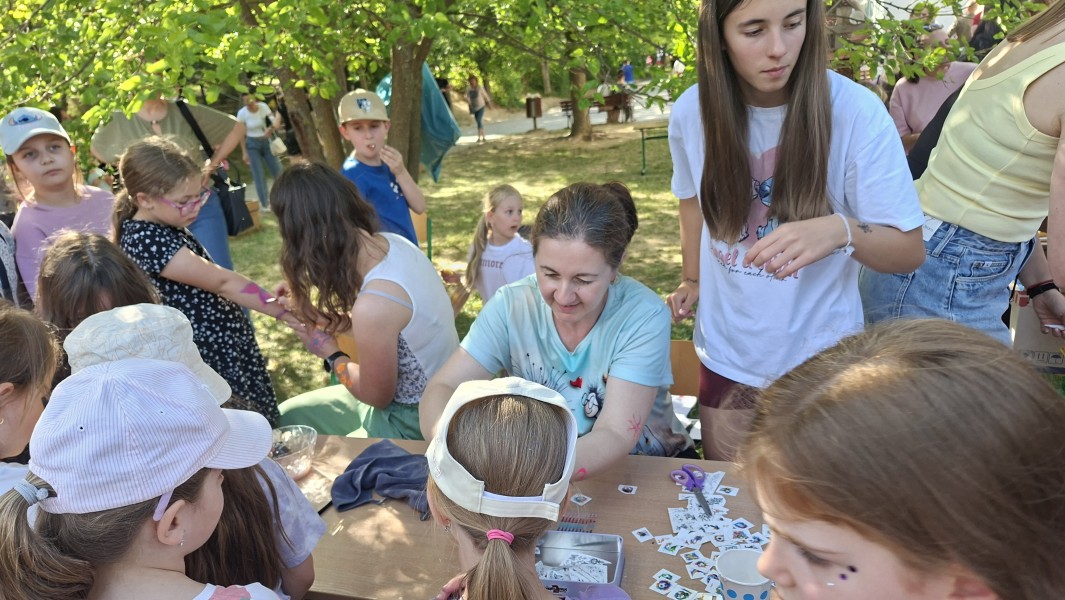
4. Annual School Picnic, 16. 6. 2026
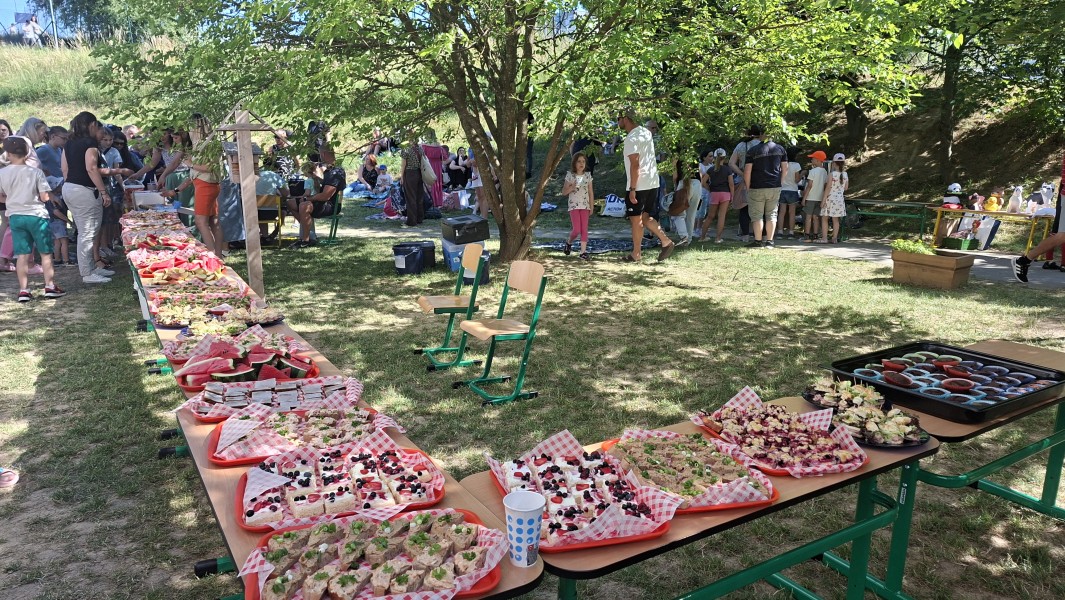
Every year, our school organizes a School Picnic, attended not only by students and teachers, but also by parents, grandparents, and members of the local community. During this event, we present our achievements and projects. Students and teachers prepare a rich cultural programme, refreshments, and various accompanying activities that showcase our efforts and the values we promote.
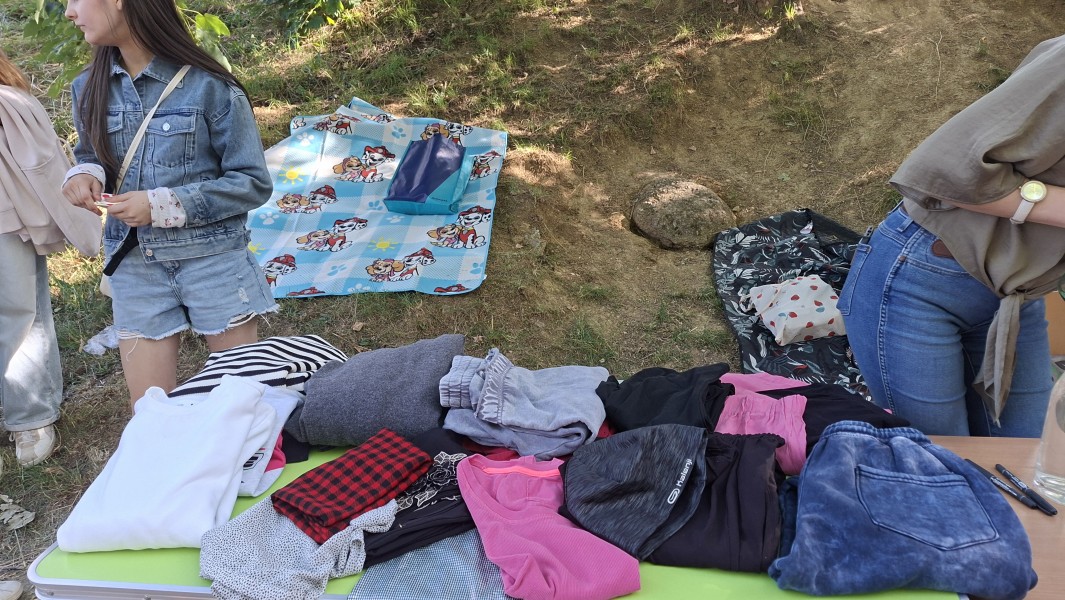
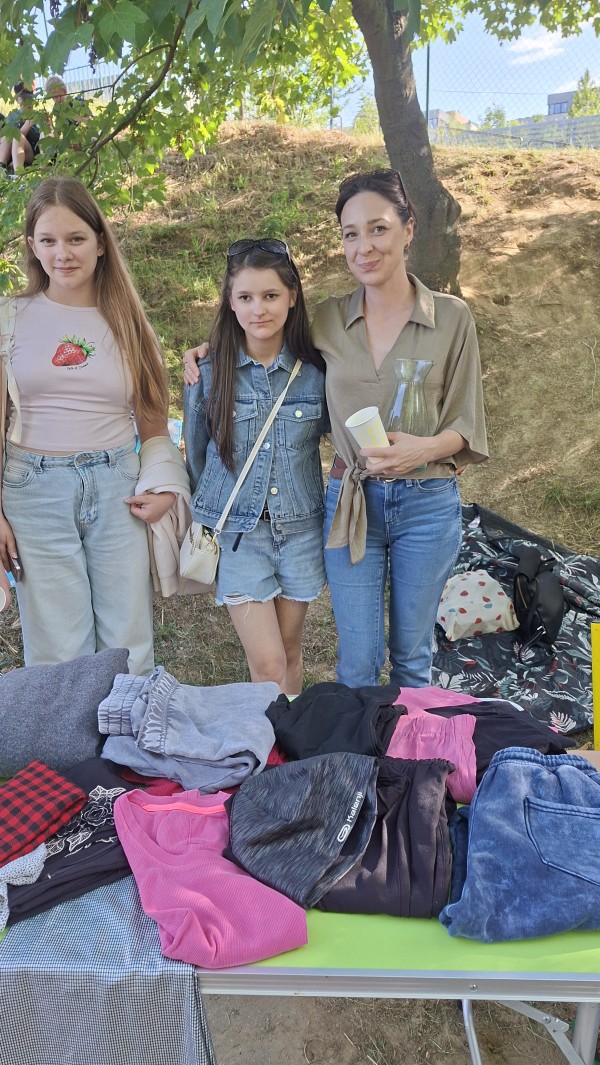
In addition to the presentation of the Green Loop project, the event also included a practical demonstration of sustainable living. A Swap Market was organized for the picnic participants, offering items that students had outgrown but that could still be used by younger students. Participants could also choose from clothes and accessories that were no longer needed in other households, thus giving these items a second life.
5. Teachers’ staff meeting, 30. 6. 2026
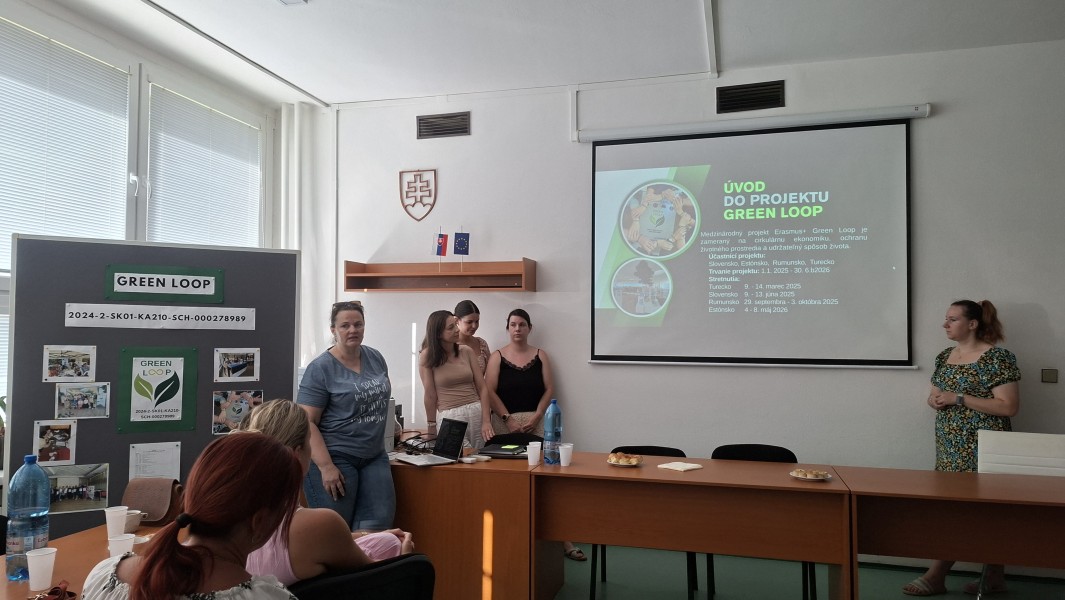
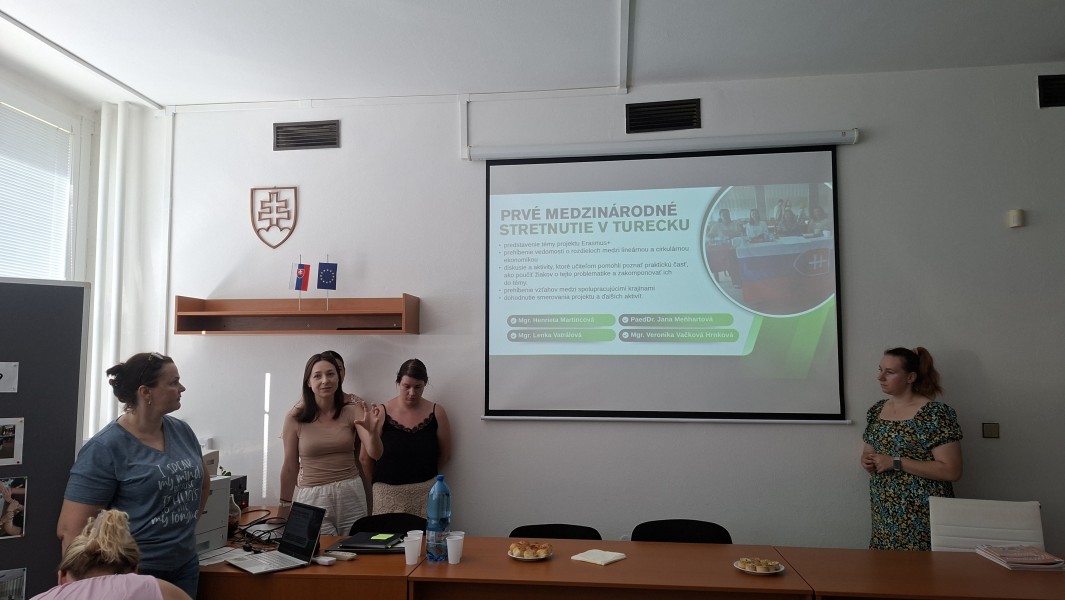
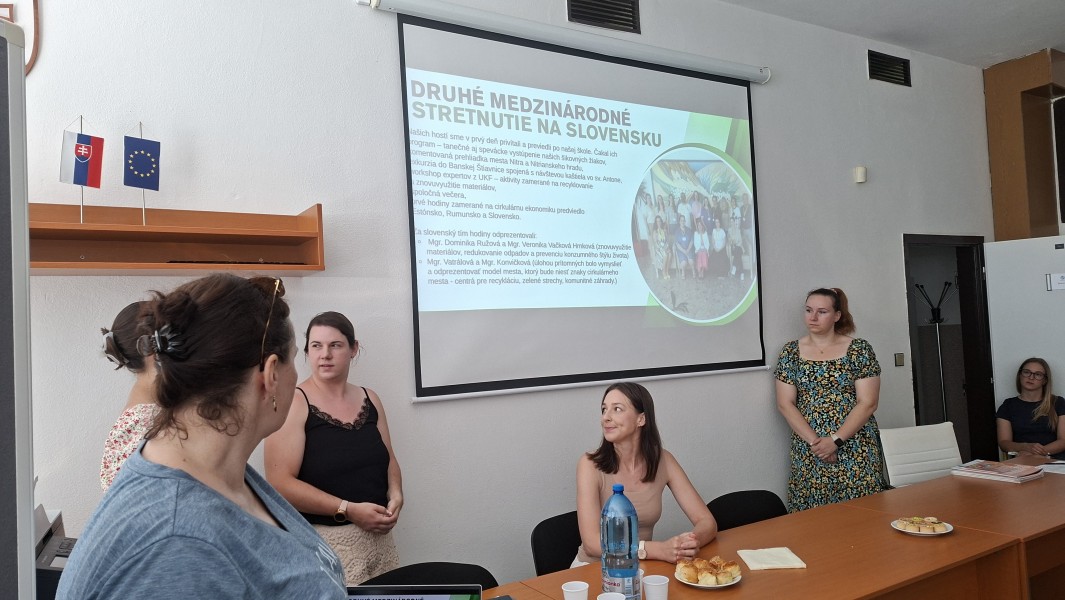
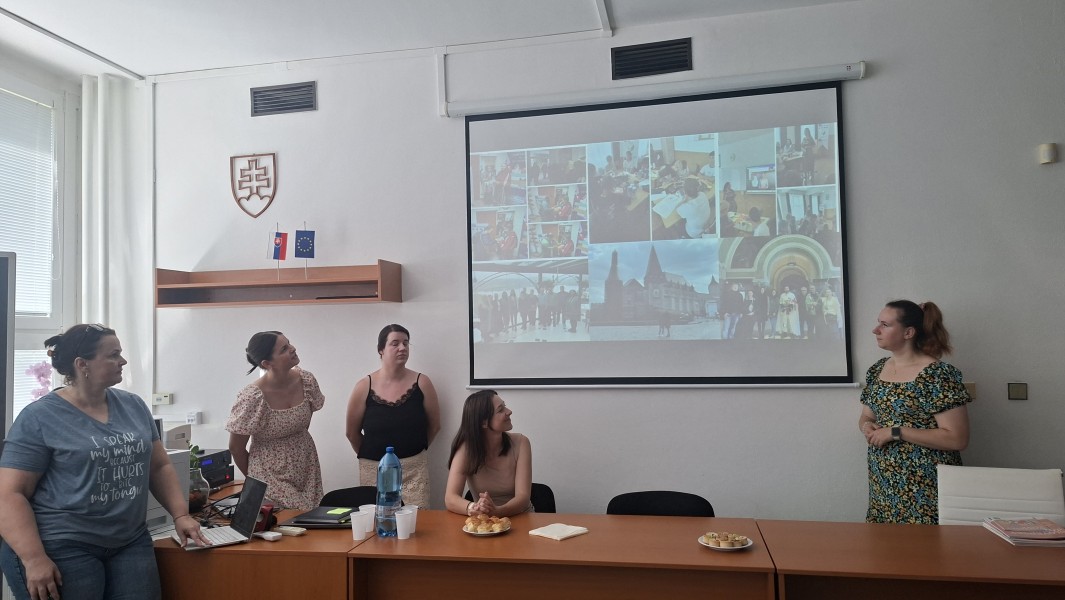
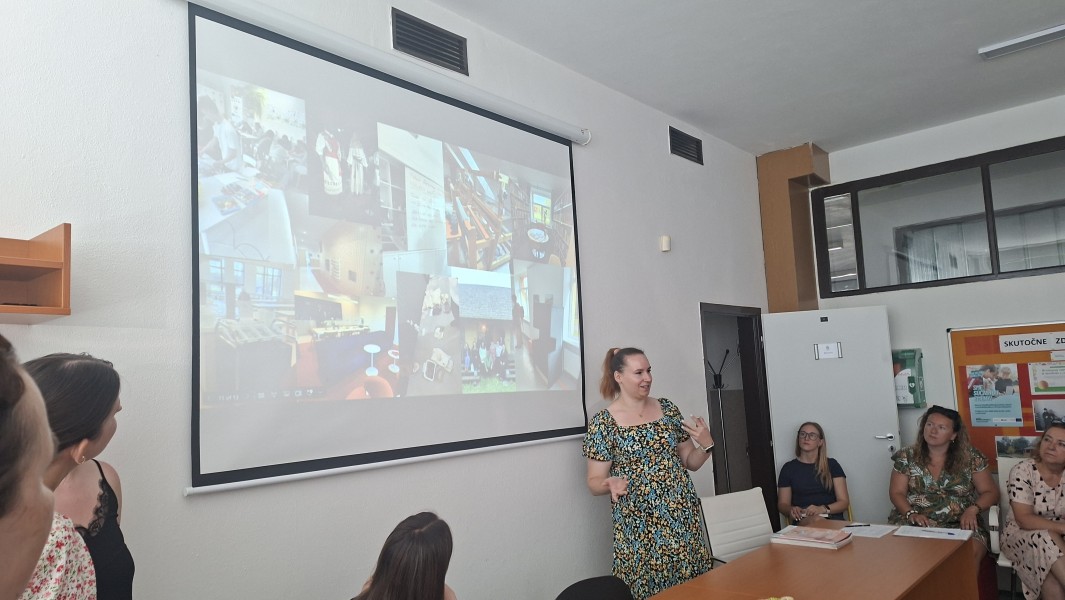
At the teachers’ staff meeting held on 30 June 2026, the results of the Green Loop project were presented to all teachers and pedagogical staff. During the presentation, the project team summarized the course of the project, the individual project meetings and the results of the project. The event also included the official launch of the Teacher’s Guide to Circular Economy and the Collection of Lesson Plans focusing on this cross-curricular topic.
This methodological material is designed for use by teachers across different subject areas, integrating environmental education and the circular economy as cross-curricular themes.
6. Transferable Good Practices for Schools
Based on the Romanian implementation experience, the following actions can be recommended as transferable practices for other schools wishing to reduce waste and promote circular economy principles:
- Clearly labeled recycling bins for paper, plastic, metal, and glass.
- Reduce paper consumption through digital assignments and double-sided printing.
- Promote the repair and reuse of school supplies instead of replacing them.
- Organize creative workshops using recycled materials for art projects.
- Hold second-hand school fairs to exchange reusable items.
- Educational campaigns explaining what can and cannot be recycled.
- Competitions between classes to collect recyclable materials.
- Partnerships with local recycling companies and environmental organizations.
- Student-led recycling ambassador programs.
Tools Implemented
- Recycling bins.
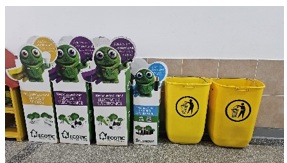
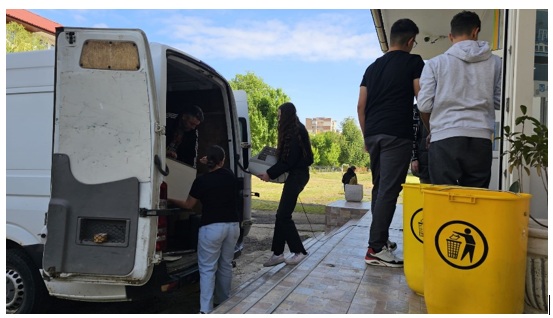
- Școala Ecoterienilor: the school participates in a national initiative that turns schools into local collection points for hard-to-recycle items such as batteries, lightbulbs, and e-waste, in cooperation with specialized organizations and local sanitation partners.

7. Results and Benefits
The activities implemented by the Romanian partner contributed to the following results:
- Reduce waste sent to landfills.
- Save natural resources and energy.
- Develop environmental responsibility among young people.
- Strengthen cooperation between schools and local communities.
- Support our school's transition toward a more sustainable and circular economy.
8. Conclusion
Through the Green Loop project, the Romanian partner strengthened environmental education in the school and encouraged students, teachers, families, and community partners to take practical action to reduce waste. By combining piloted lessons, upcycling workshops, reuse events, school audits, media dissemination, and cooperation with local institutions, the project helped transform circular economy principles into visible school practices.
The Romanian contribution demonstrates that schools can become active local promoters of sustainable lifestyles. The activities developed students’ creativity, teamwork, environmental responsibility, and problem-solving skills while also strengthening cooperation between the school, families, the local community, and external educational partners.
PROJECT N° 2024-2-SK01-KA210-SCH-000278989
Funded by the European Union. Views and opinions expressed are however those of the author(s) only and do not necessarily reflect those of the European Union or the European Education and Culture Executive Agency (EACEA). Neither the European Union nor EACEA can be held responsible for them.