A4 Teaching and Learning Materials
A4 Teaching and Learning Materials
Project meeting in Alatskivi, Estonia
Agenda 
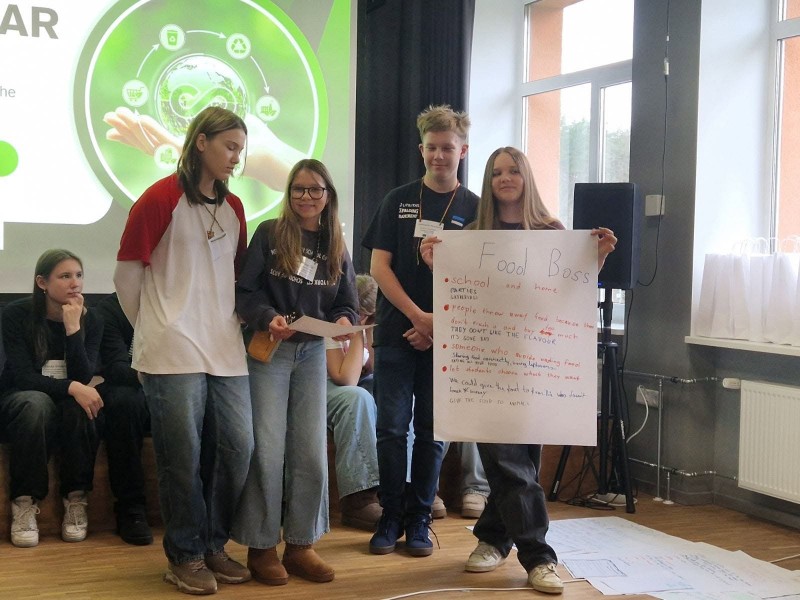
Alatskivi school
The first reports of schools in Alatskivi village date back to 1766. By 1810, the number of village schools had grown rapidly. The schools in Haapsipea, Naelavere, Suurlahe, Torila, Savastvere and Lahepera were operating. In 1920, all the surrounding village schools were merged into the Alatskivi 6-grade Higher Primary School. The school operated in a castle.
In 1961, In the spring, construction of a new school building began. In 1989, students received their first 9-grade basic school leaving certificate. During 1999, the school was equipped with modern furnishings, classrooms were completely renovated and made usable again.
The school belong to the International net of the Eco-schools and has participated in a lot of projects and programmes: "Entrepreneurial Youth of South Estonia", "From books to life, with emotions", Kiva school, the Digital Art School project, Enterprising youth and of course:
Green Loop: https://www.alatskivi.edu.ee/category/projektid/page/2/. The school programme and enthusiastic teachers made a significant contribution to the successful realisation of the project Green Loop.
Photos:
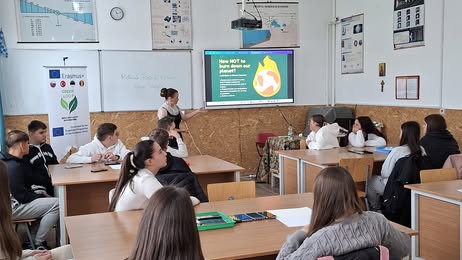
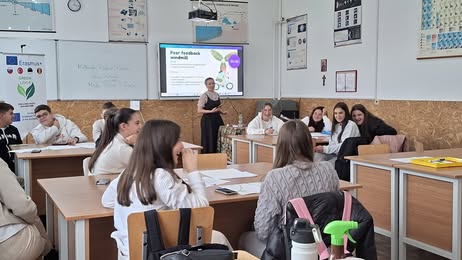
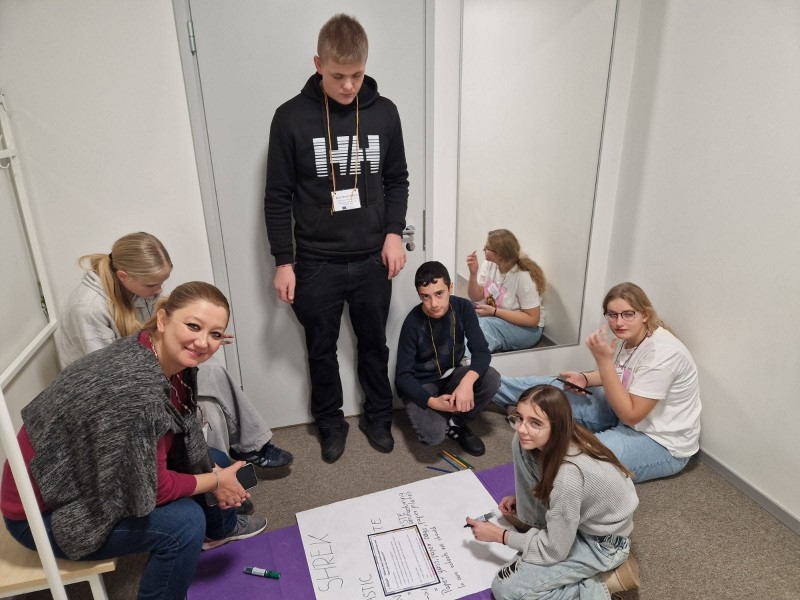
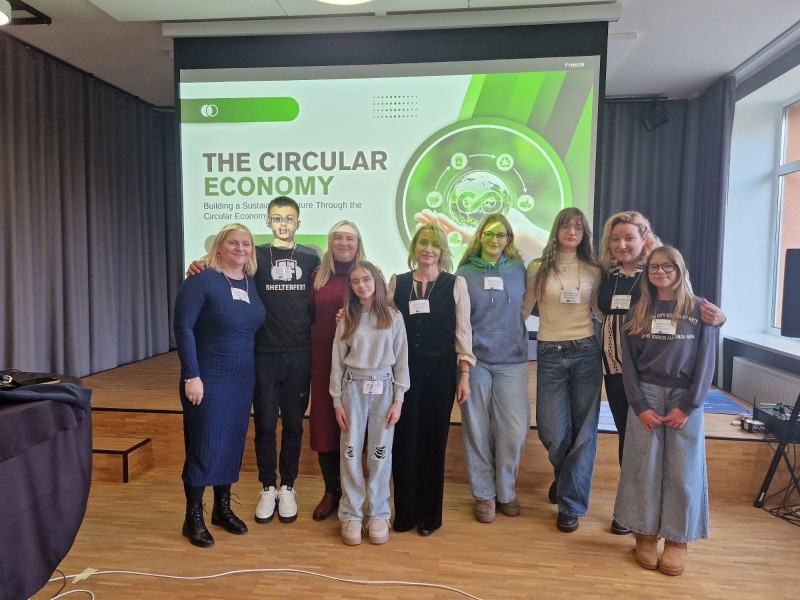
Video:

References:

TURGI KÄSITÖÖ- JA TERVISETALU, ESTONIA
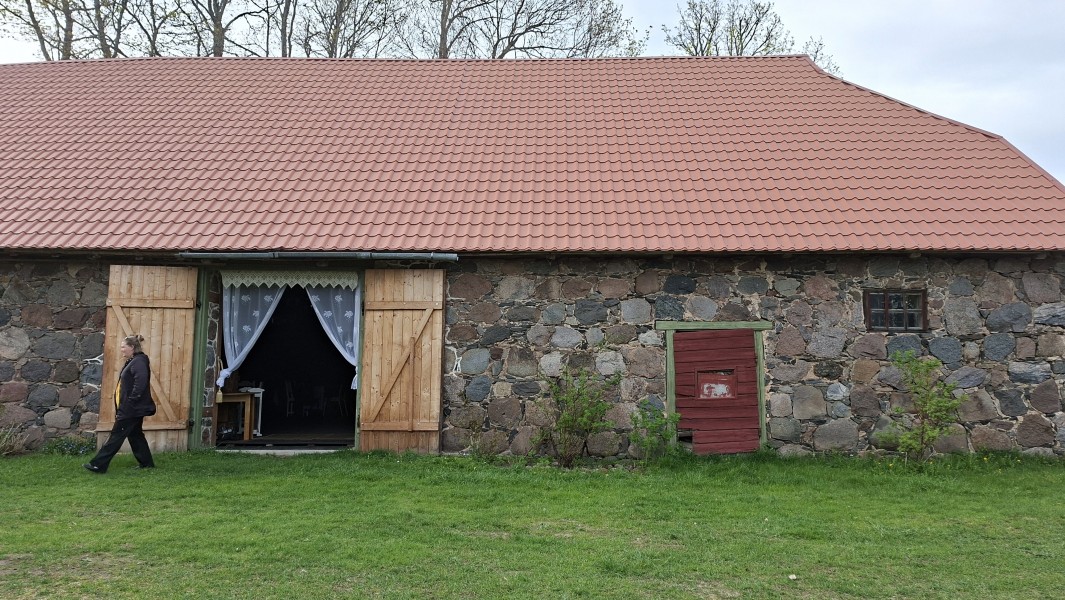
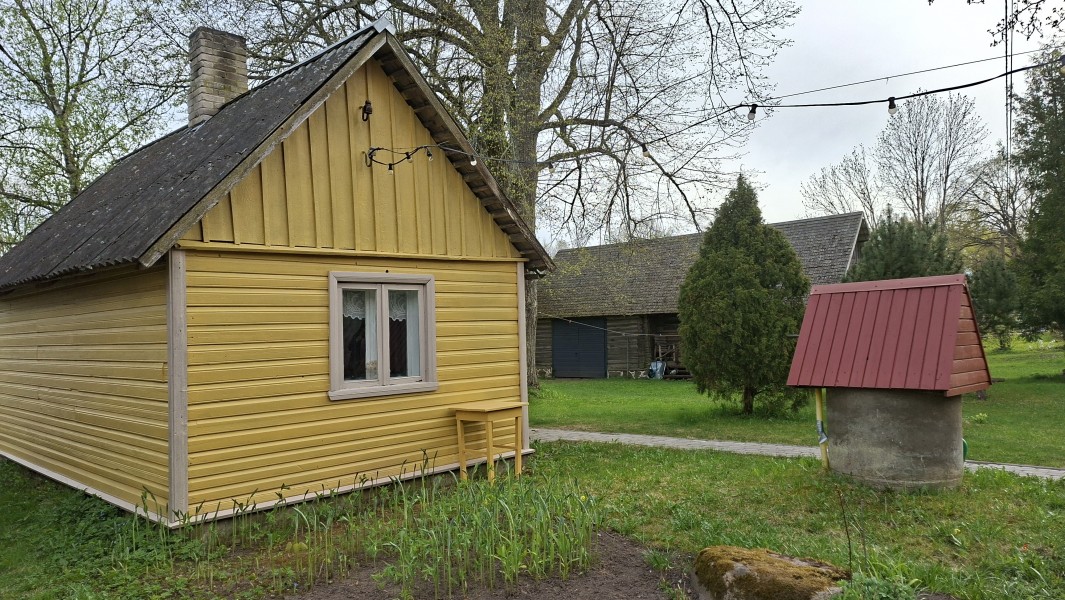
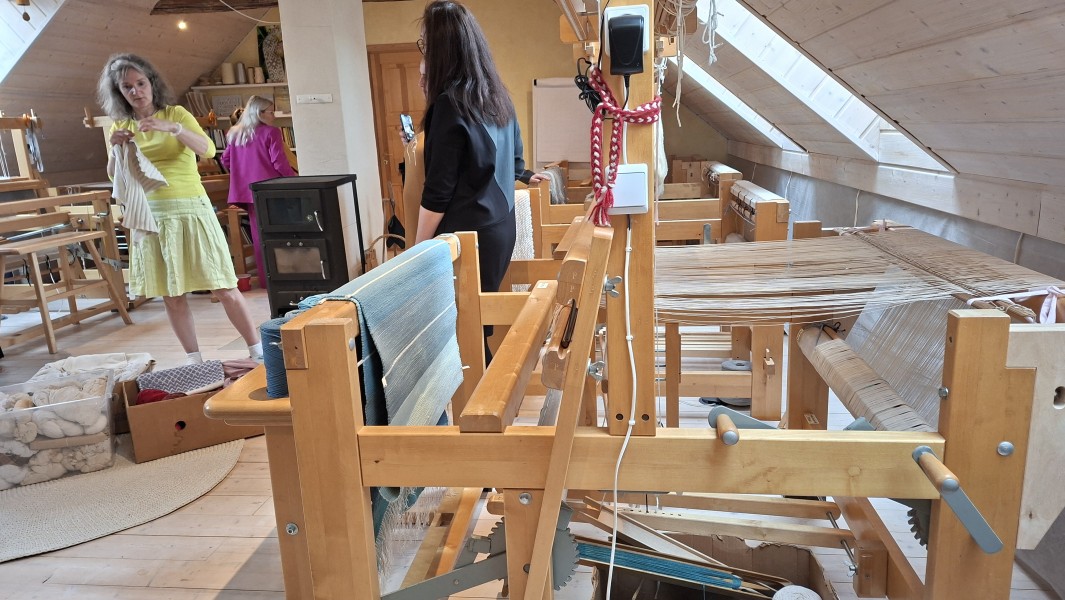
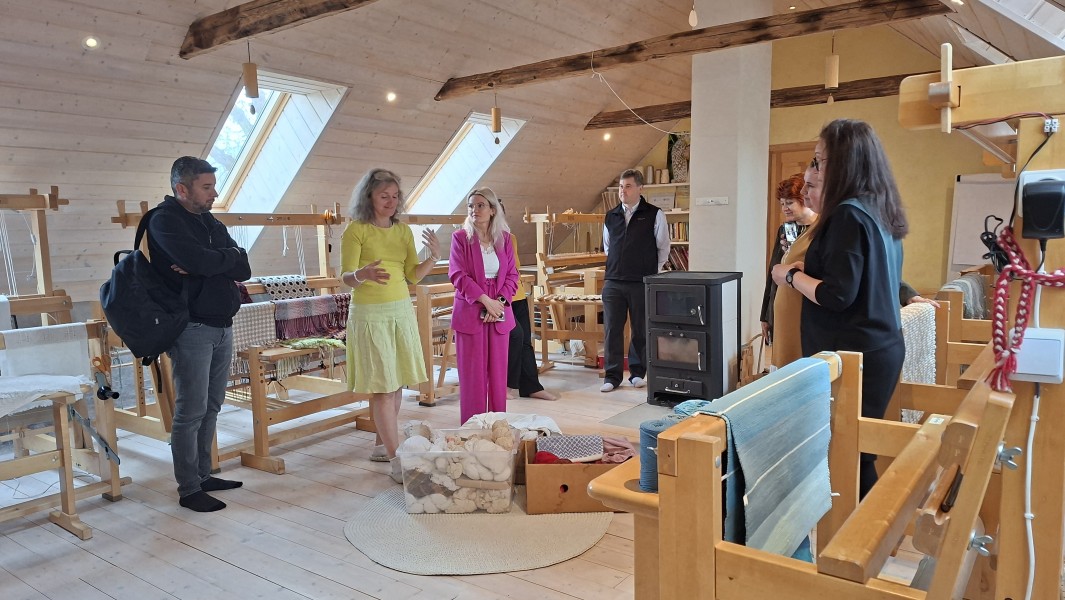
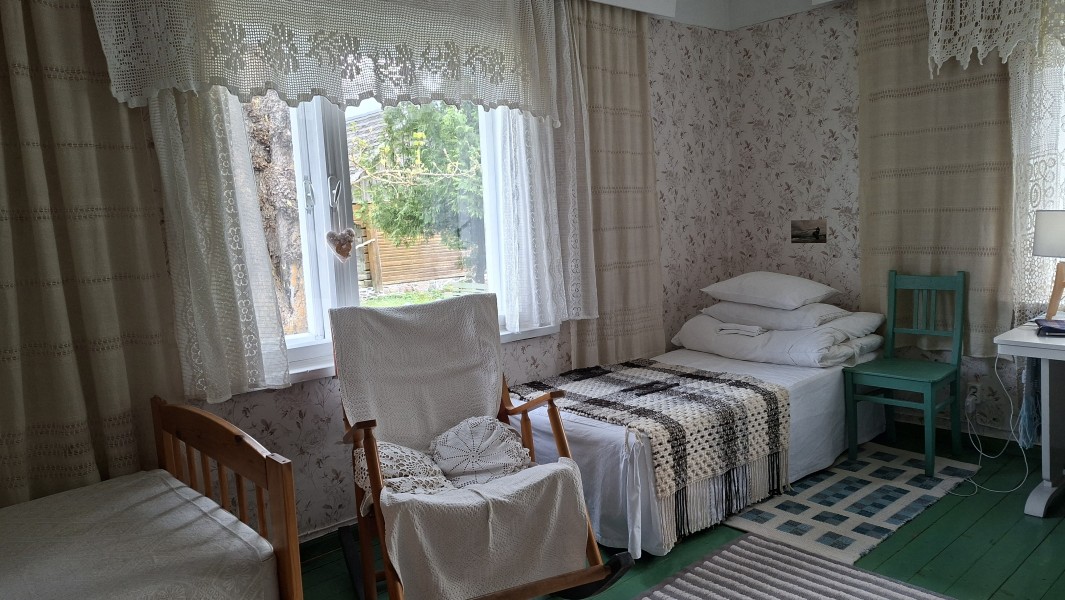
Visit of the Turgi Craft and Health Farm – an example of sustainable living
- In the weaving courses led by the landlady of Turgi Farm, Veinika, visitors will find a connection with their own creativity: they will see how new beauty is born from their own hands, they will experience how they themselves are the creators. “Creating with your own hands makes you happy!”
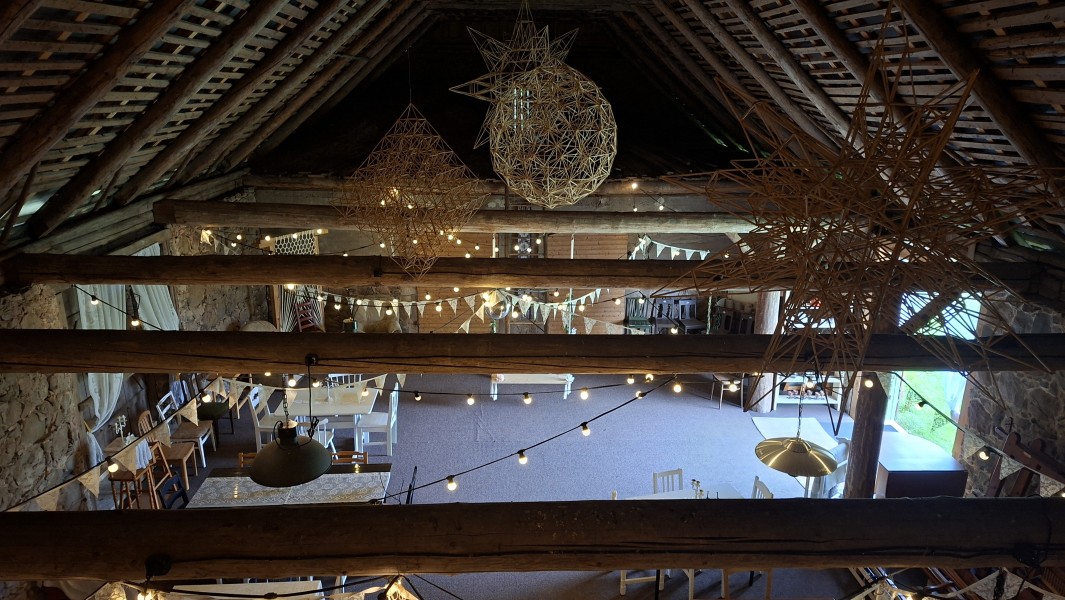
- Delicious and healthy food is the best fuel for our bodies. Visitors can share in the joy of creation of the owner of Turgi Farm, Ergo, by ordering a multi-course gourmet dinner from him or by coming to enjoy our concert-gourmet . In the summer, they welcome guests in their barn restaurant, and in the cozy living room in the cooler months.
- It is also worth coming to Turgi Farm if visitors want to engage with their inner world through breathing work under the guidance of the hostess . The liberating, conscious and connected breathing practice helps them meet hidden behavioural patterns and their deeper nature.
All the materials used during courses are from the waste of the local companies, furniture is second-hand, recycled or re-used and all the foodstuff is from their bio vegetable and fruit garden and from the local village producers.
Photos:
Reference:
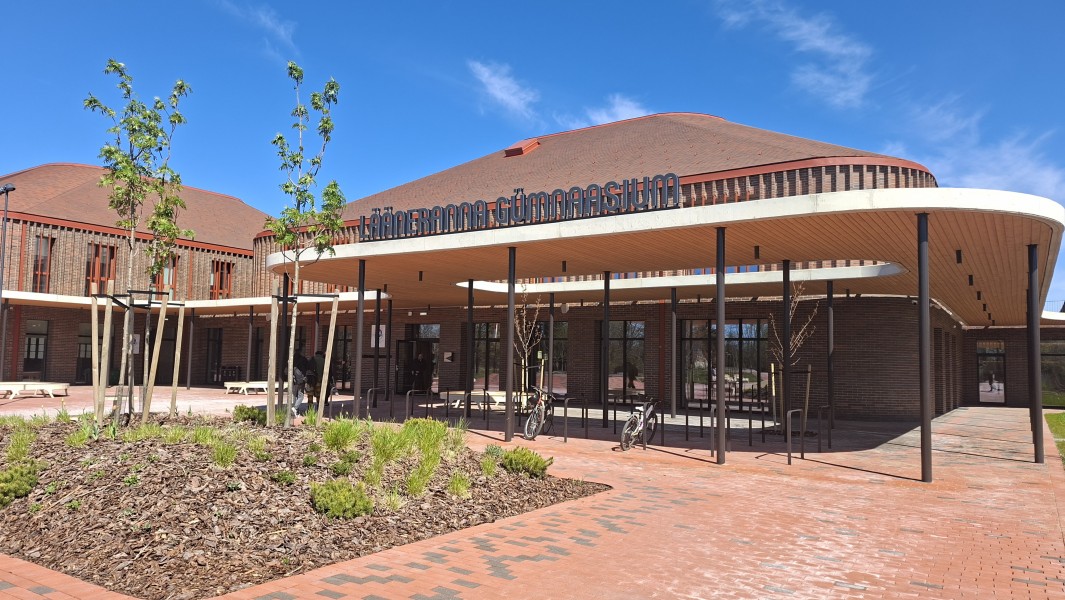
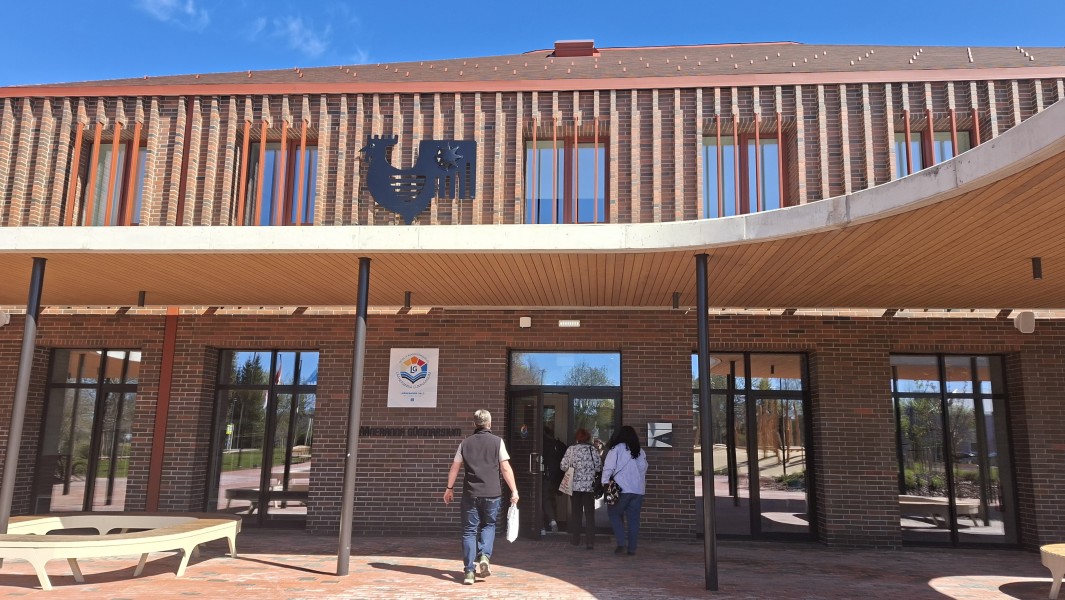
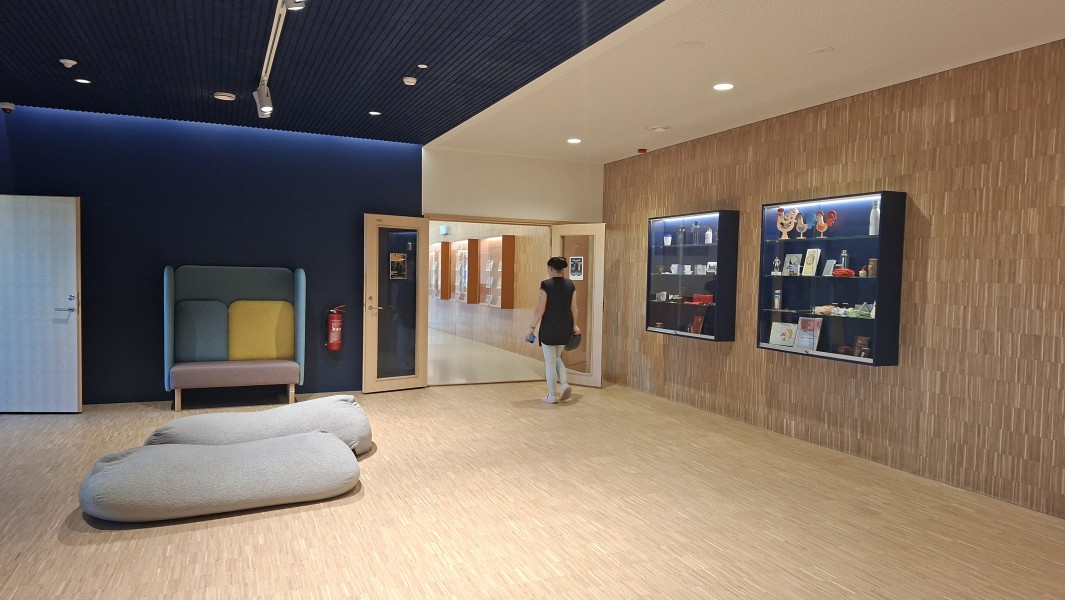
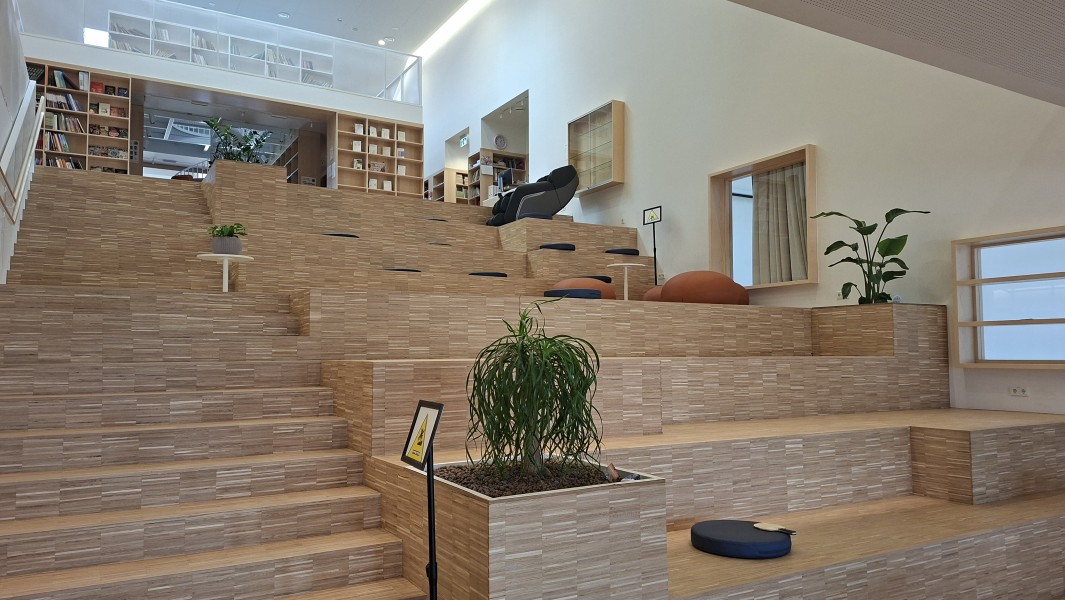
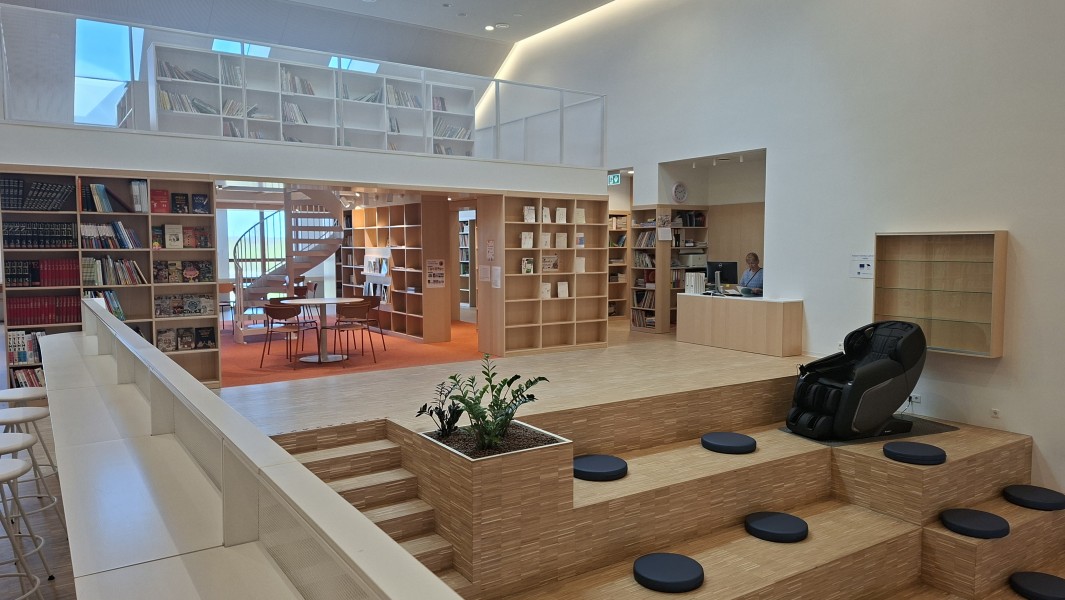
VISIT OF THE 21ST CENTURY SCHOOL - LAANERANNA GYMNASIUM, ESTONIA
Lääneranna Gymnasium was formed by merging schools located in Lääneranna municipality on September 1, 2024, with locations in Koonga, Kõmsi, Lihula, Varbla and Virtsu.
Lääneranna Gymnasium is a community school that provides a high-quality education from primary school to upper secondary school, caring for and reaching out to every student.
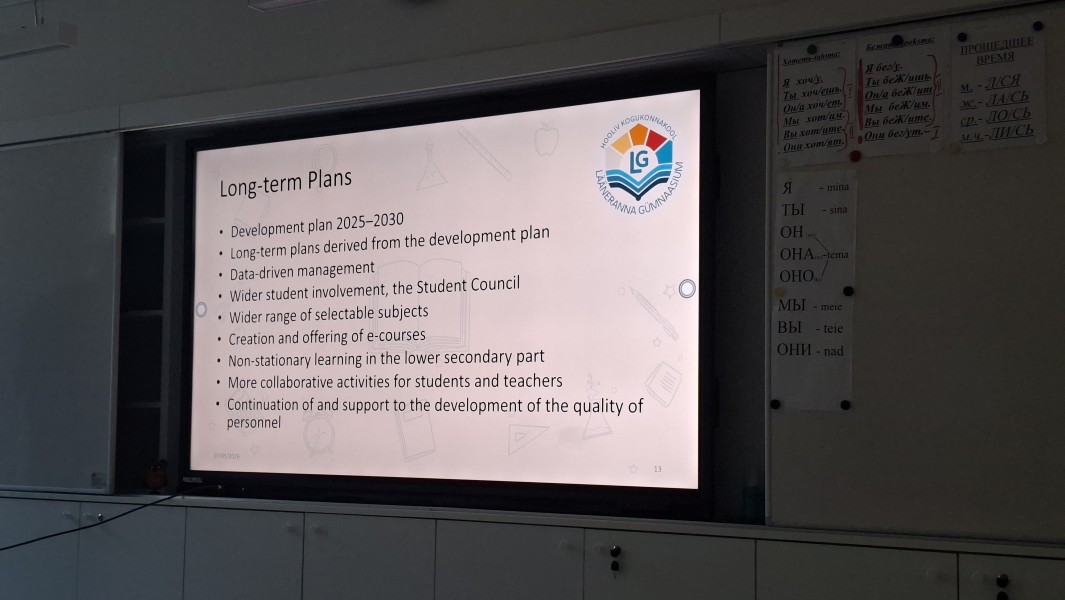
We had an opportunity to get acknowledged with Basic Regulation, Development Plan 2025 – 2030, Curricula and Assessment, Principles, Syllabuses, Schedule, Projects and LG KIVA programme which was very inspiring for us.
KiVa is a bullying reduction program for schools commissioned by the Finnish Ministry of Education and Culture and developed by researchers at the University of Turku. In addition to Finland, it is already used in more than 20 countries around the world.
Program:
- helps children learn to recognize bullying and respond appropriately to bullying incidents;
- contains activities and instructions for both preventing bullying and resolving bullying incidents;
- is one of the most systematic in the world, containing a wealth of practical activities and materials, including online learning;
- involves the entire school family – school staff, students and parents are involved in the activities;
- is not a one-year project, but a permanent part of the school's anti-bullying work.
Implementing KiVa in this school means that bullying is neither allowed nor accepted in the school. They all work together to prevent bullying and effectively resolve incidents that arise.
Photos:
PROJECT N° 2024-2-SK01-KA210-SCH-000278989
Funded by the European Union. Views and opinions expressed are however those of the author(s) only and do not necessarily reflect those of the European Union or the European Education and Culture Executive Agency (EACEA). Neither the European Union nor EACEA can be held responsible for them.